

Account management and customer success are two pivotal roles within the modern business landscape, often intertwined but fundamentally distinct. As companies increasingly prioritize long-term customer relationships and growth, understanding which role drives more value can transform team strategies and, ultimately, the bottom line. Whether you are an existing Customer Success Manager, an aspiring CSM, or a team lead steering your customer-facing teams, this breakdown offers actionable insights and clarity on these essential functions.
Understanding the Core Functions: Account Management vs Customer Success
Before diving into which role drives more value, it’s critical to understand how account management and customer success differ yet complement each other.
What is Account Management?
Account managers act as the primary point of contact between a company and its clients. Their main responsibility is to nurture client relationships, drive renewals, and identify upsell or cross-sell opportunities. In many ways, account management focuses on managing the business side of the relationship to maximize revenue.
What is Customer Success?
Customer success teams, on the other hand, are proactive champions of the customer journey. Their goal is to ensure clients derive maximum value from a product or service, leading to satisfaction, retention, and advocacy. Unlike traditional customer support, customer success emphasizes ongoing engagement and business outcomes rather than just problem resolution.
Which Role Drives More Value: A Deep Dive
Determining which role drives more value is not as straightforward as it may seem. Both are critical and intertwined, but their impact varies based on organizational goals, customer expectations, and sales strategies.
The Value Drivers of Account Management
- Revenue Growth: Account managers directly influence company revenue by renewing contracts, upselling, and cross-selling.
- Relationship Building: They develop strong business relationships that enable trust and open communication.
- Contract Management: Ensure agreements are fulfilled and that clients understand evolving service terms.
- Strategic Insight: Serve as a voice of the customer within the organization, delivering valuable feedback for product development.
For example, an account manager at a SaaS company may nurture a client relationship for years, facilitating upsells as the customer’s organization grows, thus directly boosting revenue.
The Value Drivers of Customer Success
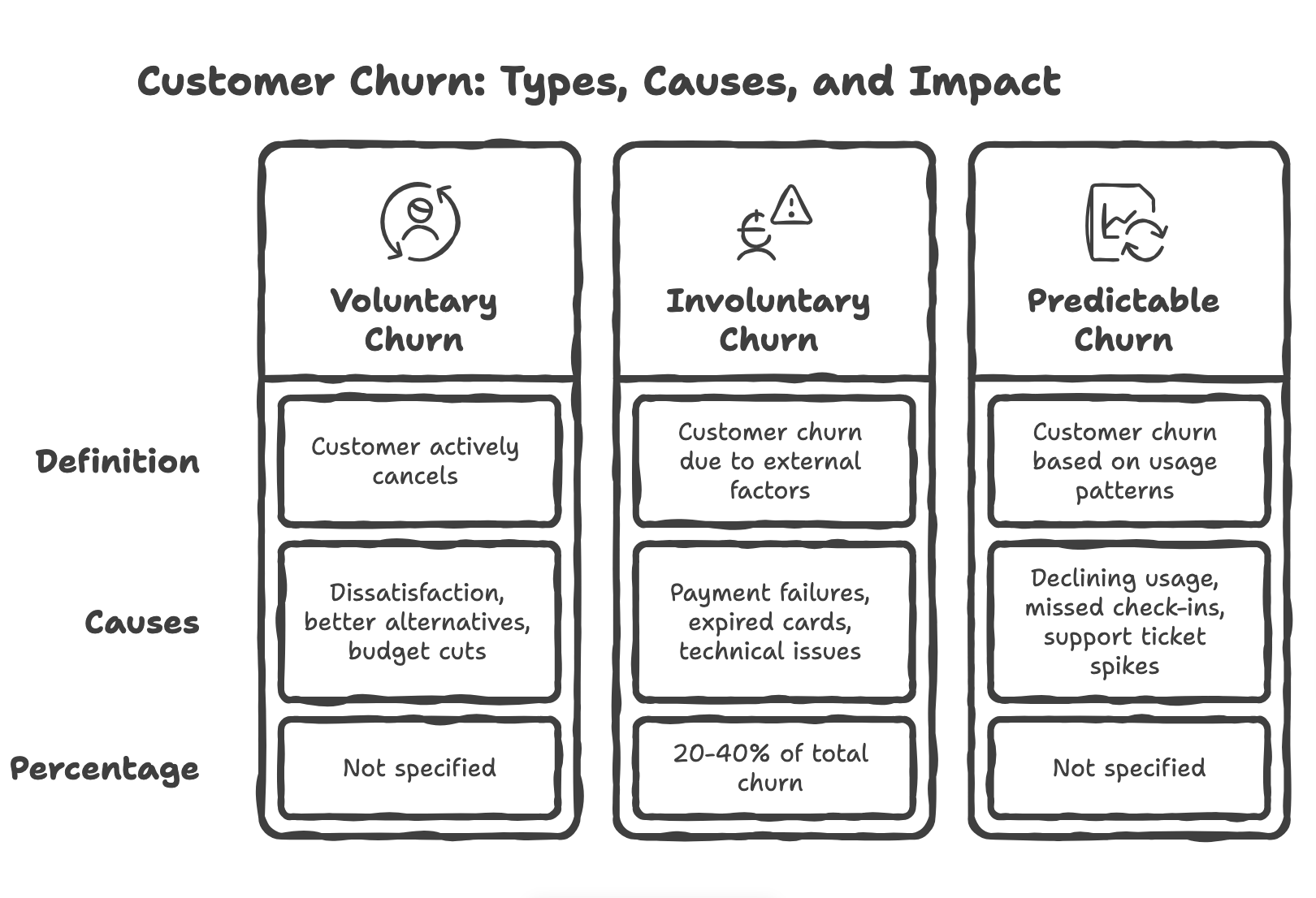
- Customer Retention: By proactively addressing potential issues and guiding clients, CS teams prevent churn.
- Adoption and Engagement: Increase product usage that correlates with higher customer lifetime value.
- Customer Advocacy: Happy customers are more likely to recommend and serve as references.
- Data-Driven Insights: Monitor customer health scores and usage metrics to prevent churn before it happens.
A great example is a Customer Success Manager who identifies early warning signs of disengagement and intervenes with targeted training, thereby reducing churn – a direct value addition beyond dollars and cents.
How These Roles Collaborate to Drive More Value
Rather than viewing account management and customer success as competing functions, the highest-performing organizations align both roles toward shared goals. This collaboration fosters an ecosystem where customers thrive, and business growth accelerates.
- Seamless Customer Lifecycles: CS teams ensure smooth onboarding and ongoing engagement, while account managers focus on scaling and renewals.
- Unified Voice of the Customer: Both roles share insights to tailor product roadmaps and service offerings strategically.
- Proactive Risk Mitigation: Customer Success flags issues early, which account managers address through contractual or strategic conversations.
- Optimized Revenue Streams: Combined efforts enable upselling at moments of genuine customer value, enhancing satisfaction and revenue.
This partnership drives more value than either function could achieve alone and transforms customer-centric strategies from reactive to proactive.
Actionable Advice for Customer Success and Account Management Professionals
- Embrace Collaboration: Schedule regular syncs between your CS and AM teams to share customer insights and align strategies.
- Invest in Analytics: Use customer health scores, usage data, and feedback to make informed decisions about engagement and upsell timing.
- Develop Customer-Centric KPIs: Move beyond revenue goals and track customer satisfaction, product adoption, and retention metrics.
- Focus on Value Delivery: Both roles should prioritize solutions that provide tangible benefits to customers to earn trust and loyalty.
- Leverage Technology: Utilize CRM and CS platforms that integrate both functions and provide a unified customer view.
For aspiring Customer Success Managers and newbies, mastering these collaborative approaches will accelerate your growth. For team leads, fostering a culture where CS and AM professionals work hand-in-hand is the fast track to organizational success.
Conclusion: Which Role Truly Drives More Value?
In the debate of account management vs customer success, the real winner in driving more value isn’t a single role — it’s how these functions integrate their expertise. Account managers are often the revenue champions, skilled in negotiation and relationships, while Customer Success Managers act as the customer advocates who ensure ongoing satisfaction and adoption.
Companies that blend both disciplines strategically unlock the greatest potential for growth, retention, and customer lifetime value. For professionals aiming to maximize their impact, embracing both perspectives and fostering collaboration will position you—and your customers—for sustained success.
Did this article help clarify the differences and synergies between account management and customer success? Subscribe to our newsletter, share this with your team, or leave a comment below to continue the conversation about driving more value in customer relationships!


Leave a Reply