
Difficult conversations are inevitable in Customer Success. A customer who feels they’re not getting value. A stakeholder who questions the ROI of their investment. An account that’s quietly disengaging. How you handle these moments is what separates good CSMs from great ones.
Why most CSMs avoid difficult conversations
The instinct to avoid conflict is natural. The foundational research by Patterson, Grenny, McMillan and Switzler in Crucial Conversations shows that most professionals systematically retreat from high-stakes, high-emotion exchanges — and the cost of that avoidance is enormous over time. In CS specifically, avoidance is always more expensive than confrontation. A problem unaddressed at week two becomes a cancellation at month six. The CSMs who have these conversations early — with empathy and structure — retain far more customers than those who wait for the situation to resolve itself.
The HEARD framework for conflict resolution
The HEARD method gives CS professionals a repeatable structure for navigating difficult conversations without letting emotion derail the outcome. Its emphasis on listening before resolving aligns with what Harvard Business Review identified in their research on what great listeners actually do — they don’t just absorb information passively; they create the conditions where the other party feels safe enough to surface the real issue.
- H — Hear: let the customer express the full issue without interruption. Resist the urge to defend or explain.
- E — Empathise: acknowledge how the situation feels from their perspective. Validation is not agreement.
- A — Apologise: where appropriate, own your part. A sincere apology disarms defensiveness.
- R — Resolve: propose a concrete next step. Not a vague commitment — a specific action with a timeline.
- D — Diagnose: after resolution, understand the root cause to prevent recurrence.
Handling common CS objections
“We’re not seeing the value.”
Don’t get defensive. Ask: “What would value look like to you at this stage?” Then compare that to what has actually been delivered. The gap between their expectation and reality is your roadmap for the next 30 days.
“We’re considering switching.”
This is a gift. It means the customer is still talking to you. Ask what’s driving the consideration and listen fully before responding. Often, this conversation surfaces a solvable problem that was never escalated.
“We don’t have time for this.”
Acknowledge the time pressure, then reframe: “I want to make sure we’re not wasting any of your time. Can we agree on a 15-minute format going forward?” Reducing friction is often more effective than pushing for more engagement.
After the conversation
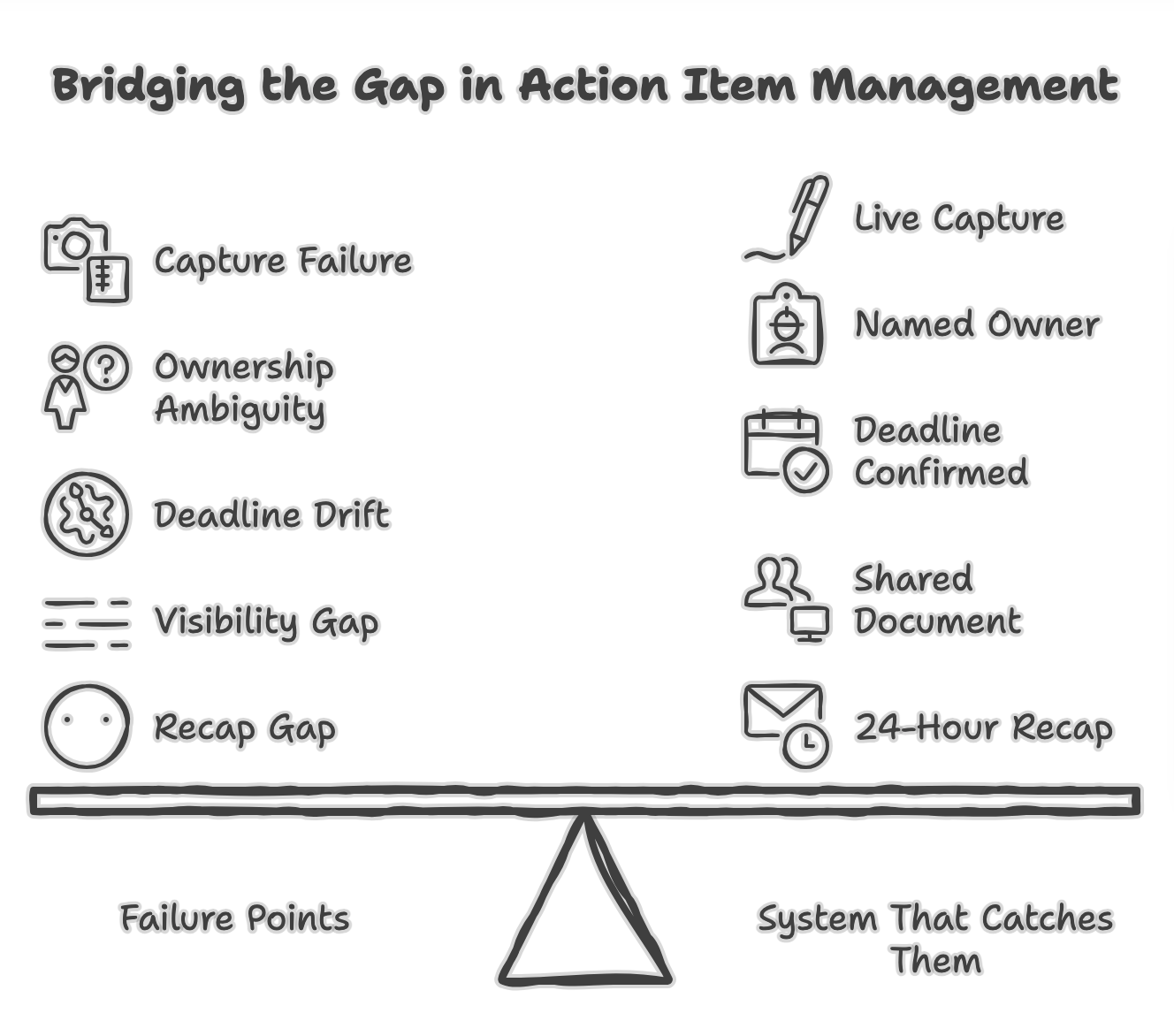
The most important part of a difficult conversation is what happens next. Send a follow-up email within 24 hours that captures the agreed actions, owners, and timeline. This creates accountability and demonstrates professionalism — the same recap discipline that compounds across every other aspect of CSM practice.
Related articles
- Effective Communication Skills for Customer Success: Strategies That Work
- Effective Listening Skills for CSMs: Communication Foundations You Can’t Ignore
- Follow-Up Email Sequence Strategies to Improve Customer Retention
- Customer Retention Strategies: The Complete Guide for CSMs (2026)
- Mastering Phone Communication Skills: Essential Tips for CSMs


Leave a Reply