

Customer expectations have risen sharply in recent years, and the role of a Customer Success Manager (CSM) has become correspondingly more important. Companies are recognising that acquiring customers is not enough — they must also ensure those customers derive measurable value from their products or services. This is where a CSM comes in, acting as the bridge between the customer and the business. This guide examines why every business needs a Customer Success Manager and how the role drives growth through proactive engagement.
The evolution of Customer Success
Customer Success is not a new concept, but its significance has grown substantially over the past decade. Initially, businesses focused primarily on sales and marketing — drawing in customers through attractive offers and promotions. As competition intensified and customer choices expanded, it became clear that retaining customers was at least as important as acquiring them. The Customer Success Manager role emerged from that realisation.
What is a Customer Success Manager?
A Customer Success Manager is responsible for ensuring that customers achieve their desired outcomes while using a company’s product or service. CSMs take a proactive approach to customer engagement, focusing on building long-term relationships, understanding customer needs, and providing support to maximise satisfaction and retention. Unlike traditional account managers, who often react to customer issues, CSMs work to anticipate challenges and offer solutions before problems arise.
Why every business needs a Customer Success Manager
Five concrete reasons every business pursuing sustainable growth should invest in Customer Success leadership:
1. Better customer experience
When customers have endless options, an exceptional customer experience is the most reliable differentiator. A CSM ensures that customers feel valued and understood. They listen to customer feedback, address concerns promptly, and advocate for the customer within the organization. This level of personalised service builds satisfaction and brand loyalty over time.
2. Higher customer retention
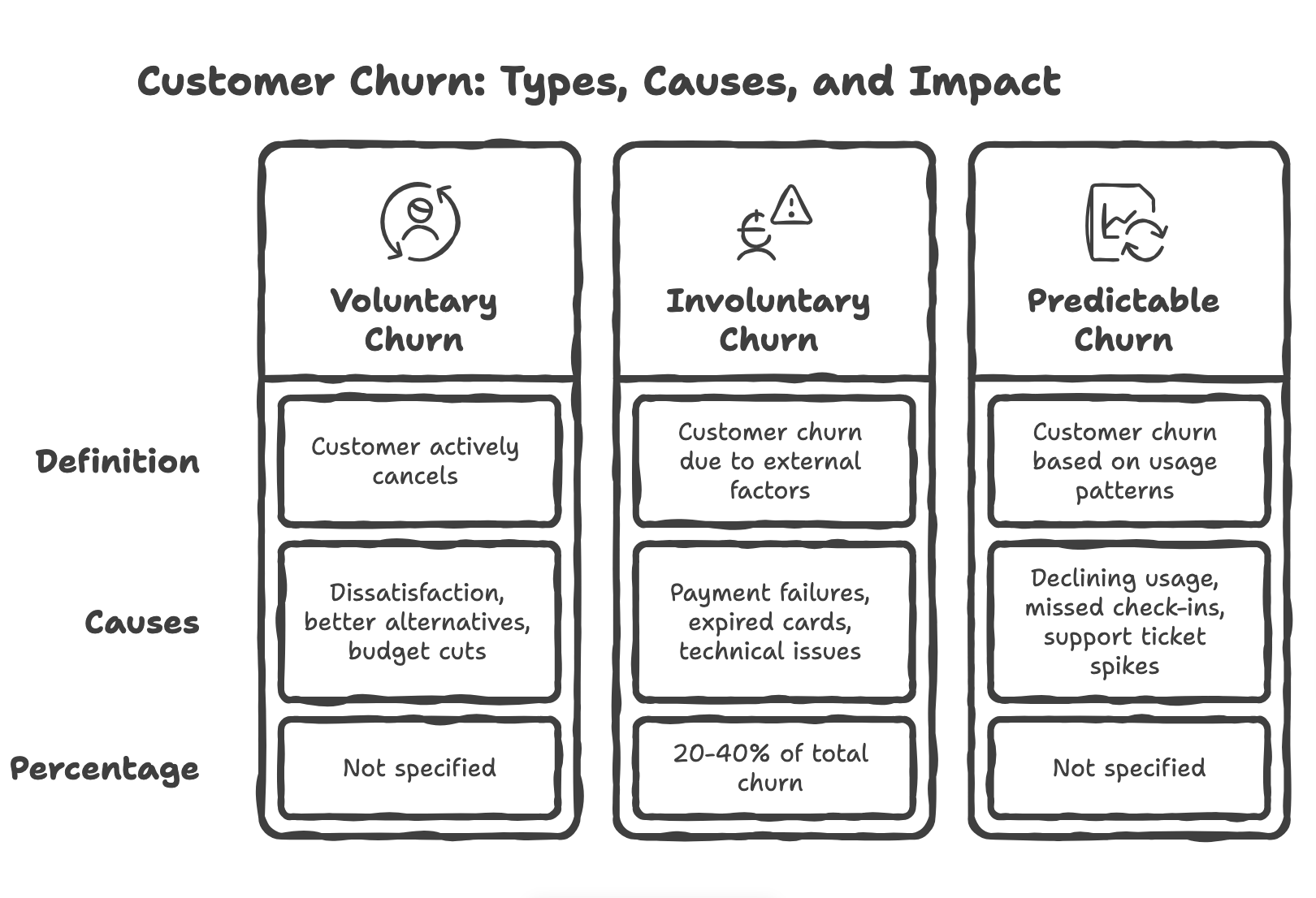
Retaining existing customers is consistently more cost-effective than acquiring new ones. CSMs play a central role in reducing churn rates by identifying warning signs of customer dissatisfaction early. By proactively engaging with customers, CSMs can address issues before they escalate — ensuring that customers remain happy and loyal to the brand.
3. Stronger product adoption and usage
Many businesses struggle to get customers to fully use the products or services they have purchased. A CSM offers training, resources, and ongoing support to help customers understand and extract value from what they bought. This not only leads to better outcomes for customers but also increases the likelihood of upsell and cross-sell opportunities.
4. A direct feedback line for product development
Customer Success Managers are on the front lines, regularly interacting with customers and gathering insights about their experiences and needs. This information is invaluable for product development and roadmap decisions. By relaying customer feedback to product teams, CSMs help shape the future of the product, ensuring it continues to meet the evolving needs of the market.
5. A stronger brand reputation
Happy customers are often the best advocates. When customers feel supported and valued, they are more likely to share their positive experiences with others. A CSM plays a central role in building these relationships, ultimately contributing to a stronger brand reputation and increased referrals. In a market driven by reviews and recommendations, this is a meaningful competitive advantage.
Key skills and qualities of a successful Customer Success Manager
To carry out their responsibilities effectively, a Customer Success Manager needs a particular blend of skills and qualities:
1. Strong communication skills
CSMs must be able to clearly convey information and actively listen to customer needs. Strong communication builds trust and ensures customers feel heard.
2. Empathy and emotional intelligence
Understanding customers’ emotions and perspectives is central to providing excellent service. A CSM should be empathetic, allowing them to connect with customers at the level the relationship actually requires.
3. Problem-solving abilities
Challenges will inevitably arise, and a successful CSM must be able to find solutions quickly and efficiently. This requires creativity, resourcefulness, and the willingness to escalate when something genuinely cannot be solved at the CSM level.
4. Analytical skills
Being able to analyse customer data and metrics is central to understanding trends and making informed decisions about where to invest time across a book of business.
The case for investing in Customer Success
The importance of a Customer Success Manager continues to grow each year. CSMs are the connecting tissue between customer satisfaction and business growth. By investing in a CSM, businesses build better customer experiences, raise retention, drive product usage, and gather valuable insights for future product development.
If you are weighing whether your business needs Customer Success leadership, the answer for most B2B companies past the early-stage threshold is yes. The investment typically pays back in retention, expansion revenue, and customer advocacy — outcomes that compound for as long as the role is supported with the right mandate and resources.




Leave a Reply