

Proactive customer management has shifted from optional to expected. Customer Success teams that have built proactive practice into their daily work consistently outperform reactive teams on satisfaction, retention, and expansion revenue. Whether you are an experienced Customer Success Manager (CSM), an aspiring professional, or a team lead guiding others, building proactive habits into your practice is one of the highest-leverage moves available to you. This article walks through the practical tactics that experienced CS teams use to anticipate customer needs rather than react to them.
Why proactive customer management outperforms reactive work
Traditional customer management reacts to issues as they arise. While reactive approaches have value, they tend to leave customers feeling neglected and frustrated by the time the team gets involved. A proactive approach means anticipating customer needs, addressing potential problems before they occur, and consistently delivering value. The measurable outcomes: higher Net Promoter Scores, lower churn, and more consistent upsell opportunities.
Proactive practice emphasises trust, transparency, and ongoing engagement — the qualities that turn Customer Success teams from support resources into true partners for the customer.
Five practical tactics for proactive customer management
Whether you are new to Customer Success or managing a team, the following tactics will materially improve how you manage customer relationships.
1. Build strong customer profiles
Start by understanding your customers in full — not just their purchases, but their business goals, challenges, and preferences. Comprehensive profiles enable personalised interactions and smarter recommendations.
- Collect data from CRM systems, surveys, and direct conversations.
- Update profiles regularly to reflect changing needs.
- Use segmentation to tailor outreach based on customer persona.
2. Monitor customer health and usage proactively
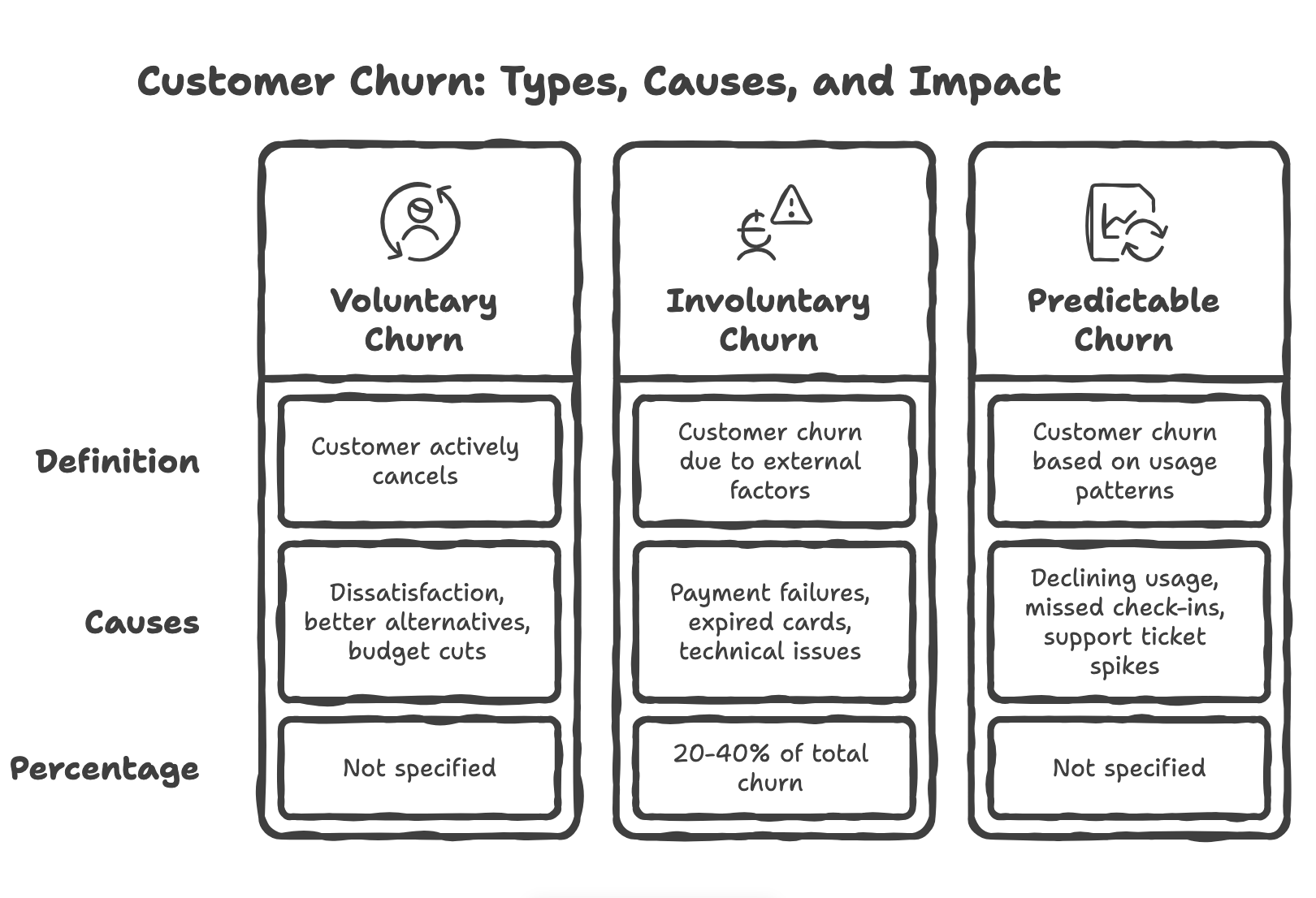
Track key indicators such as product usage, satisfaction scores, and support tickets. Early warning signs — declining usage, increased complaints, missed milestones — signal that intervention is needed before customers consider leaving.
- Implement dashboards that highlight at-risk customers.
- Set automated triggers for follow-ups based on behaviour.
- Encourage CSMs to review health data before every customer touchpoint.
3. Build regular, meaningful communication
Effective proactive communication means scheduling routine check-ins, sharing relevant insights, and offering strategic advice. Avoid generic outreach — instead, share information aligned with each customer’s specific goals.
- Use personalised emails highlighting usage trends or new features.
- Host webinars or training sessions addressing common challenges.
- Invite feedback actively and act on it promptly.
4. Anticipate problems and offer solutions early
Identify common pain points and address them before they escalate. For example, if onboarding delays often cause frustration, introduce additional support resources earlier in the process.
- Deploy customer surveys after key milestones.
- Create FAQ resources based on recurring questions.
- Use AI tools to predict churn or dissatisfaction risks.
5. Equip your team with the right tools and training
Proactive customer management requires a skilled team equipped with the right software and ongoing training. Invest in CRM platforms, Customer Success software, and data analytics tools to simplify processes.
- Encourage continuous learning through workshops and certifications.
- Promote collaboration between Sales, Support, and Success teams for unified customer views.
- Review team performance regularly and share success stories internally.
Real-world examples of proactive customer management
Understanding theory is one thing; seeing it in action is another. Three examples of companies that have used proactive practice to drive measurable results:
Zendesk’s customer health monitoring
Zendesk uses real-time dashboards to track customer engagement and usage, allowing their Customer Success teams to intervene early. This approach has significantly lowered churn rates and improved account expansion.
Salesforce’s educational webinars
Salesforce hosts regular proactive webinars tailored to different customer segments. These sessions help users adopt new features and best practices, raising customer value and loyalty.
HubSpot’s feedback loop
HubSpot integrates surveys and feedback forms into its onboarding process, addressing concerns before they become major issues. This focus on proactive communication contributes to their high customer satisfaction scores.
Implementing proactive practice in your team
Now that you understand the practical tactics, how do you begin implementation? Five steps to integrate proactive customer management into your team’s workflow:
- Assess current processes: conduct an audit of existing customer management tactics to identify gaps in proactive engagement.
- Prioritise customer segments: focus efforts where they have the biggest impact, such as high-value or at-risk accounts.
- Train your team: host workshops to educate CSMs on the value and techniques of proactive management.
- Use technology deliberately: invest in tools that automate monitoring and flag issues in real time.
- Measure and iterate: review key KPIs regularly, solicit team feedback, and refine your approach for continuous improvement.
The case for proactive customer management
Proactive customer management is one of the highest-leverage shifts a Customer Success team can make. Customers stay longer, expand more often, and advocate more readily when they feel understood and anticipated rather than merely supported. The investment is measured in process discipline, not in dramatic interventions.
Start with one or two of the tactics above, build them into the team’s daily rhythm, and let the practice compound. Within two to three quarters, the difference in retention and expansion metrics will be measurable.


Leave a Reply