

Customer success has moved from a nice-to-have function to a core business strategy — and for good reason. The companies that have invested seriously in customer success consistently outperform those that haven’t on the metrics that matter most: retention, revenue growth, and customer lifetime value. If you’re still treating customer success as a support function, you’re leaving significant competitive advantage on the table.
Here are the five benefits of customer success that every business leader and CS professional should understand — and why ignoring them is increasingly costly.
1. Significantly Higher Customer Retention
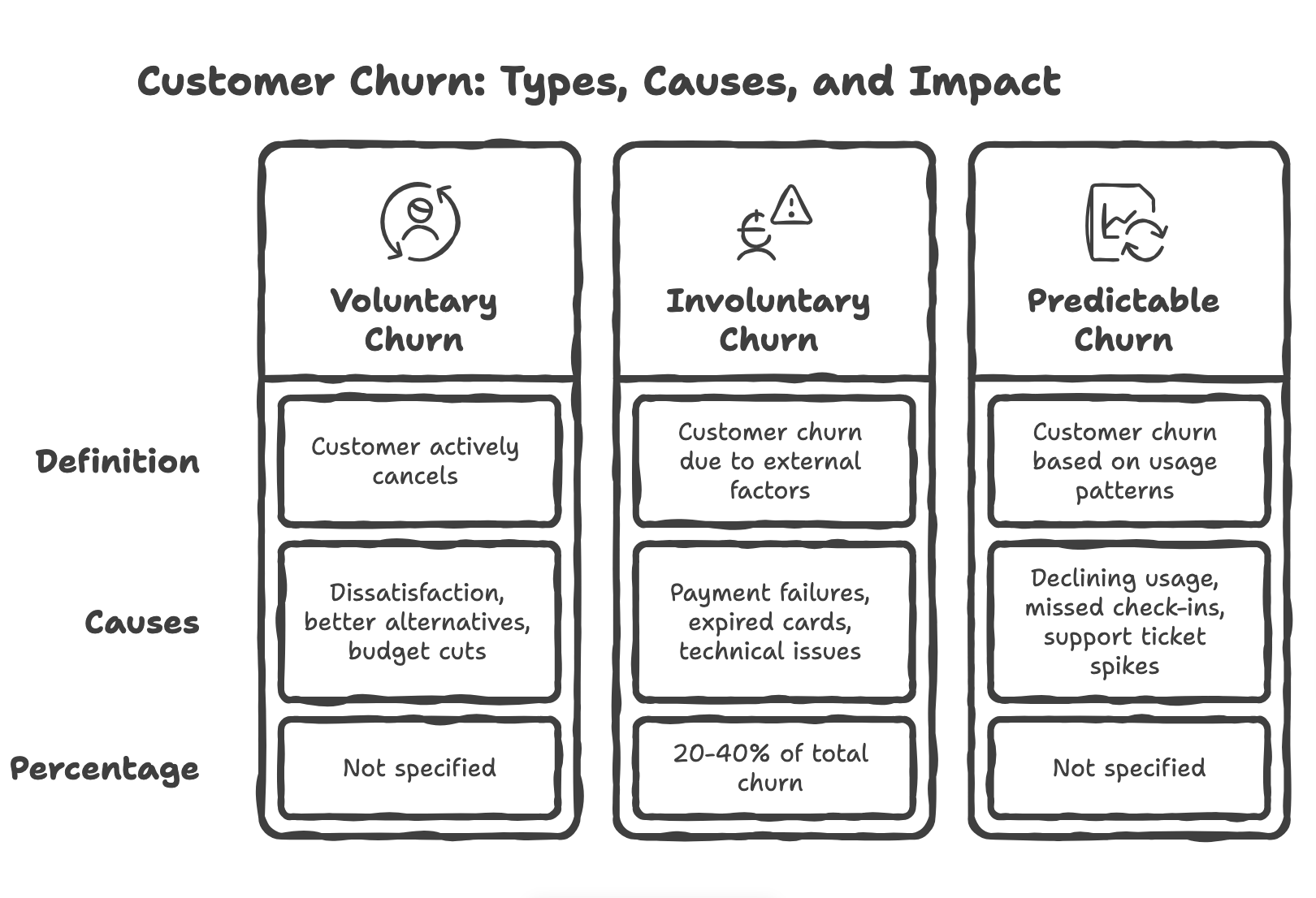
This is the most direct and measurable benefit. Customer success teams proactively monitor account health, engage customers before problems escalate, and ensure customers are consistently achieving outcomes with your product. The result is substantially lower churn.
The economics are compelling: acquiring a new customer costs five to seven times more than retaining an existing one. A 5% improvement in retention can increase profitability by 25% to 95%, according to Bain & Company research. Customer success is one of the most direct levers for improving that retention rate.
2. Increased Revenue Through Expansion
Customer success isn’t just about preventing churn — it’s an active driver of revenue growth. CSMs who deeply understand a customer’s goals and track their progress are well-positioned to identify when a customer is ready to expand — whether through an upsell, a cross-sell, or a seat expansion.
This expansion revenue is typically far less expensive to generate than new business acquisition. Net Revenue Retention (NRR) — which measures revenue retained plus expansion minus churn — is widely considered the gold standard metric for SaaS growth, and customer success is the primary function that moves it above 100%.
3. Improved Customer Lifetime Value
Customers who are actively supported by a CS team tend to stay longer, buy more, and generate referrals. Each of these behaviours directly increases customer lifetime value (CLV), which in turn improves the economics of customer acquisition. When your CLV is high relative to acquisition cost, you can afford to grow faster.
The mechanism is straightforward: customers who achieve their desired outcomes with your product don’t look for alternatives. Customer success creates the conditions for those outcomes, which drives the loyalty and advocacy that underpin high CLV.
4. Reduced Support Costs and Operational Burden
A well-designed customer success programme reduces inbound support volume by addressing issues before they escalate. Customers who are well-onboarded, properly trained, and regularly engaged need less reactive support. They understand the product, know how to get help when they need it, and encounter fewer frustrating friction points.
This isn’t just about cost savings — it’s about freeing your support team to handle complex issues rather than answering the same basic questions repeatedly. It also improves customer satisfaction scores, since proactively supported customers have fewer frustrating experiences to report.
5. Richer Product Intelligence and Faster Iteration
Customer success teams sit at the intersection of customer behaviour and product performance. They see which features drive the most value, which create friction, which are underused because of poor discoverability versus genuine irrelevance. This intelligence — when systematically captured and shared with product teams — accelerates product development and improves product-market fit.
Companies with mature CS functions tend to build better products faster because they have a structured feedback loop from real users. This is a competitive advantage that compounds over time.
Why These Benefits Are Increasingly Non-Optional
The shift toward subscription and SaaS business models has made customer success structurally necessary. In a world where customers pay monthly or annually and can cancel with 30 days’ notice, you can’t coast on the initial sale. Value must be consistently delivered and demonstrated throughout the relationship. Customer success is the function that makes that happen.
Businesses that haven’t invested in customer success are increasingly at a disadvantage as competitors who have build stronger retention, generate more expansion revenue, and create the kind of customer advocacy that drives organic growth.
For a practical framework to capture these benefits, see our guide to building a customer success strategy, and our overview of the metrics every CS team should track.


Leave a Reply