
Customer Success Metrics: The Ultimate Guide for Customer Success Managers is your go-to resource if you’re aiming to elevate your customer success strategy. Whether you’re a seasoned professional, aspiring to enter this dynamic field, or leading a team of customer success managers, understanding the right metrics is crucial.
Why Customer Success Metrics Matter
For customer success managers, data is more than just numbers—it’s the backbone of strategic decision-making. When you know which metrics to track, you gain the ability to proactively manage customers’ health, identify risks, and uncover opportunities for growth. The economic case is compelling: research summarised by Harvard Business Review consistently shows that retaining existing customers is significantly more profitable than acquiring new ones — and metrics are how you make retention measurable rather than aspirational.
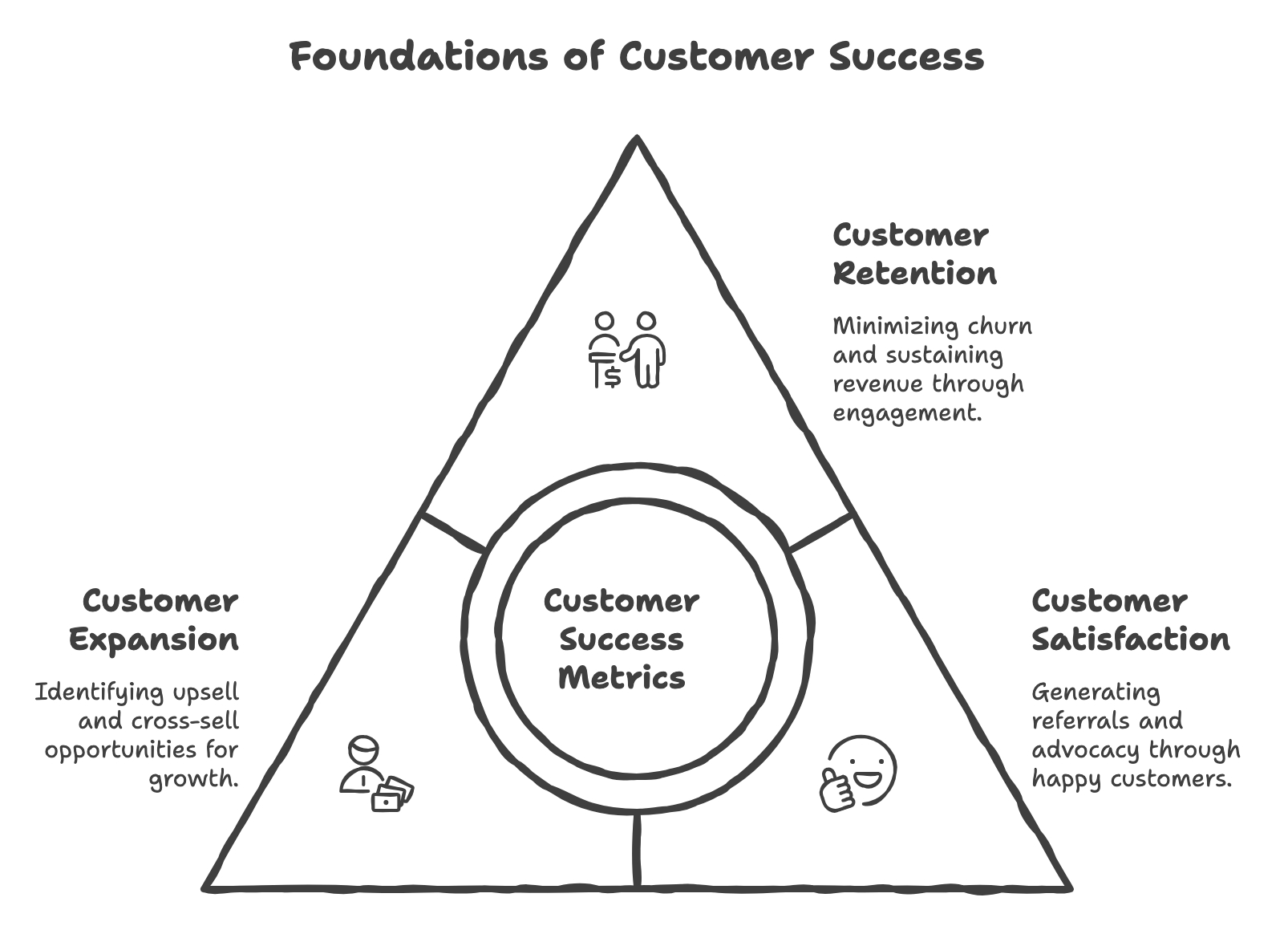
- Customer Retention: Keeping customers engaged minimizes churn and sustains revenue.
- Customer Satisfaction: Happy customers become advocates and generate referrals.
- Customer Expansion: Identifying upsell and cross-sell opportunities fuels growth.
The Top Customer Success Metrics Every CSM Should Track
1. Net Promoter Score (NPS)
NPS measures customers’ likelihood to recommend your company. Originally developed by Fred Reichheld at Bain & Company, NPS remains one of the most widely tracked indicators of customer loyalty. High NPS scores correlate with lower churn and higher customer lifetime value. Regularly survey customers and follow up on feedback, especially from detractors.
2. Customer Health Score
This composite metric aggregates product usage, support tickets, and payment history to give a holistic view of a customer’s wellbeing. It helps you proactively identify at-risk accounts before they churn.
3. Customer Lifetime Value (CLTV)
CLTV measures the total revenue a company expects from a customer over their entire relationship. Combine CLTV with acquisition costs to assess profitability accurately and prioritize resource allocation.
4. Churn Rate
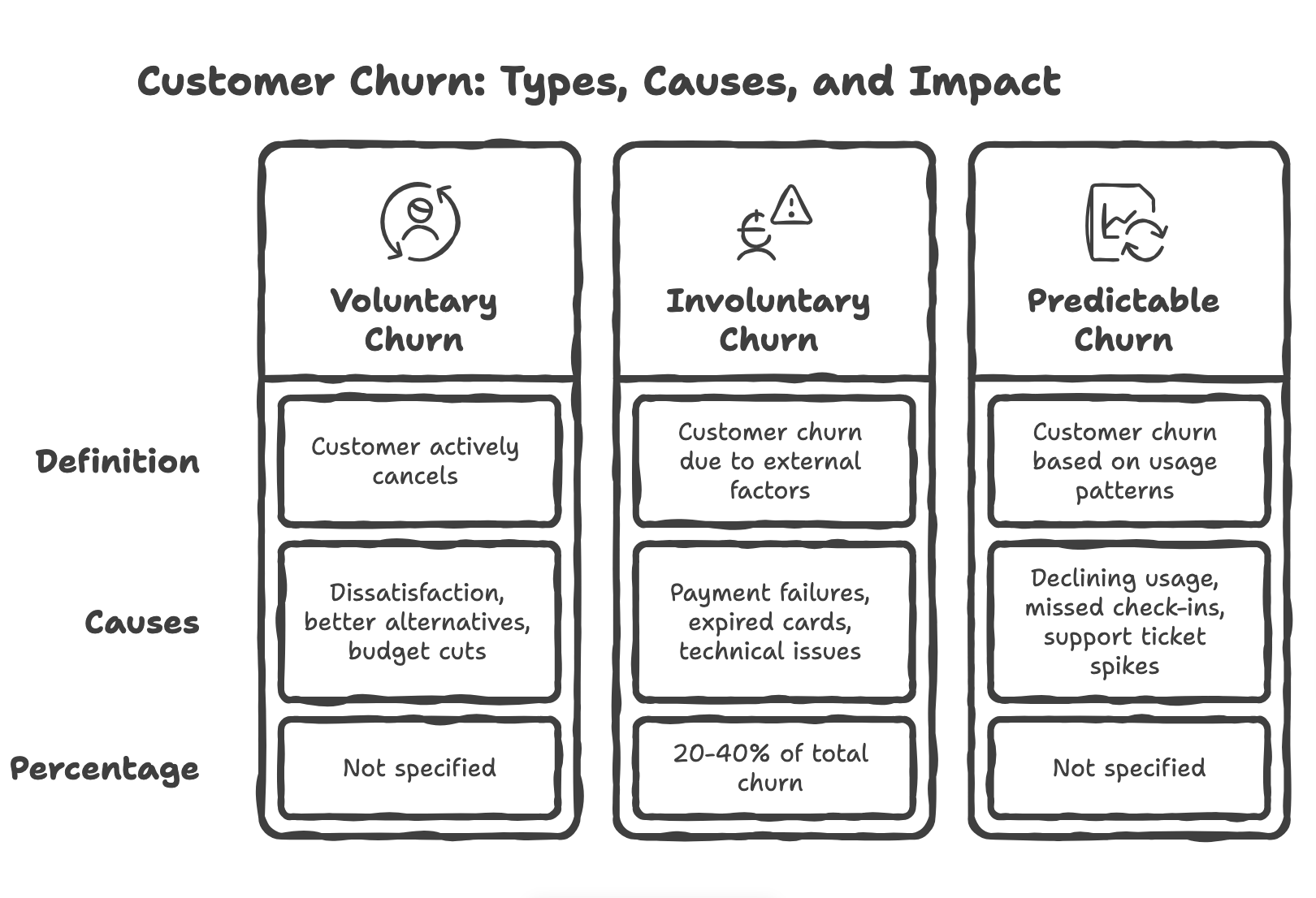
Churn rate tracks the percentage of customers who stop doing business with you over a specific period. Segment churn by customer type or product usage to identify patterns and targeted solutions.
5. Customer Satisfaction Score (CSAT)
CSAT measures how satisfied customers are with a particular interaction, service, or product feature. Incorporate CSAT surveys post-support or onboarding to monitor customer sentiment in real time.
6. Net Revenue Retention (NRR)
NRR is increasingly the headline metric for CS teams — it captures retention plus expansion in a single number. OpenView Partners consistently finds that top-quartile SaaS companies maintain NRR above 120%, meaning they grow even without acquiring a single new customer. CS teams that own NRR have moved from cost-centre to revenue-driver in their organisations.
Implementing Customer Success Metrics in Your Team
- Define Clear Goals: Align metrics with business objectives and customer success milestones.
- Select Relevant Metrics: Focus on the KPIs that drive the most impact.
- Choose the Right Tools: Utilize CRM and analytics platforms to automate data collection.
- Train Your Team: Ensure every team member understands the importance of each metric.
- Regular Reporting: Establish weekly or monthly dashboards to discuss trends and action plans.
- Iterate and Optimize: Use insights to refine customer success strategies continuously.
Common Pitfalls to Avoid
- Focusing on Vanity Metrics: Numbers that look good but don’t influence business outcomes.
- Ignoring Qualitative Data: Metrics need to be complemented by customer feedback and conversations.
- Lack of Context: Comparing metrics without considering seasonality or market changes can mislead teams.
- Neglecting Action: Data only drives results when it informs specific interventions.
Conclusion
Mastering customer success metrics isn’t just about tracking data—it’s about creating a culture of customer-centric decision making. Use these KPIs to embed metrics into your daily workflows and watch your team transform challenges into opportunities.
Related Articles
- Customer Retention Strategies: The Complete Guide for CSMs (2026)
- Customer Success Metrics You Need to Track for Business Growth
- Leveraging Customer Success Metrics to Improve Your Lifecycle Strategy
- Effective Renewal and Retention Strategies
- Effective Account Expansion Strategies to Accelerate the CS Lifecycle


Leave a Reply