

Client retention is the defining metric of a modern Customer Success function. Acquiring a new customer costs five to seven times more than retaining an existing one, according to widely-cited research summarised by Harvard Business Review. And in SaaS, work by Bain & Company shows that even a 5% improvement in retention can lift profits by 25–95%. Yet retention doesn’t come from reactive support or last-minute saves — it comes from a set of disciplined practices that a good CSM runs consistently, month after month.
The ten strategies below are the ones that separate CSMs who reliably retain their book of business from those who are always fighting fires. None of them are glamorous. All of them compound.
1. Treat Onboarding as the Most Important Moment of the Relationship
Onboarding sets the ceiling for every future interaction. Customers who hit their first meaningful outcome in the first 30 days renew at dramatically higher rates than those who don’t. Research from Wyzowl finds that 86% of customers say they’re more likely to stay loyal to a company that invests in onboarding. That means your onboarding process needs to be built around one question: what’s the fastest path to this customer’s first win?
Tailor onboarding to each customer’s specific goal, not your generic product tour. Run proactive check-ins during the first two weeks — don’t wait for them to ask for help. And measure onboarding success by time-to-first-value, not completion rate.
2. Define Success Criteria Before the Customer Asks You To
Most churn conversations end with a version of “we never really saw the ROI.” That’s almost always because nobody defined what ROI would look like at the start. The best CSMs run a structured success-planning session in the first two weeks, mapping the customer’s goals to specific KPIs and checkpoints.
Review these KPIs in every QBR. When the customer can point at a number and say “we moved that because of you,” retention takes care of itself.
3. Run a Regular Engagement Cadence — and Actually Stick to It
Adoption dies in the silence between conversations. A strong engagement rhythm — weekly during onboarding, bi-weekly during the first quarter, monthly thereafter — keeps the relationship warm and surfaces issues early. What matters isn’t the exact frequency; it’s the consistency.
Within each touchpoint, share something useful: a new feature relevant to their workflow, a benchmark, a customer story similar to theirs. Value-led communication keeps the meeting from feeling like a check-in for its own sake.
4. Be the Customer’s Voice Inside Your Company
CSMs sit at the intersection of product, sales, support, and marketing. Your leverage is enormous when you use it. Bring customer feedback into product reviews. Flag renewal risks to sales early. Surface common questions to support so they can create content. Champion expansion opportunities to account teams.
The CSMs who consistently retain customers are the ones internal teams actually listen to — because they bring signal, not noise.
5. Use Usage Data as an Early-Warning System
Churn is almost never a surprise to a well-instrumented CS team. Declining login frequency, dropping feature usage, reduced seat activity — these are all signals that show up weeks or months before a customer tells you they’re leaving. OpenView Partners consistently finds that top-quartile SaaS companies maintain Net Revenue Retention above 120% — a benchmark almost entirely driven by early-warning health systems and proactive intervention.
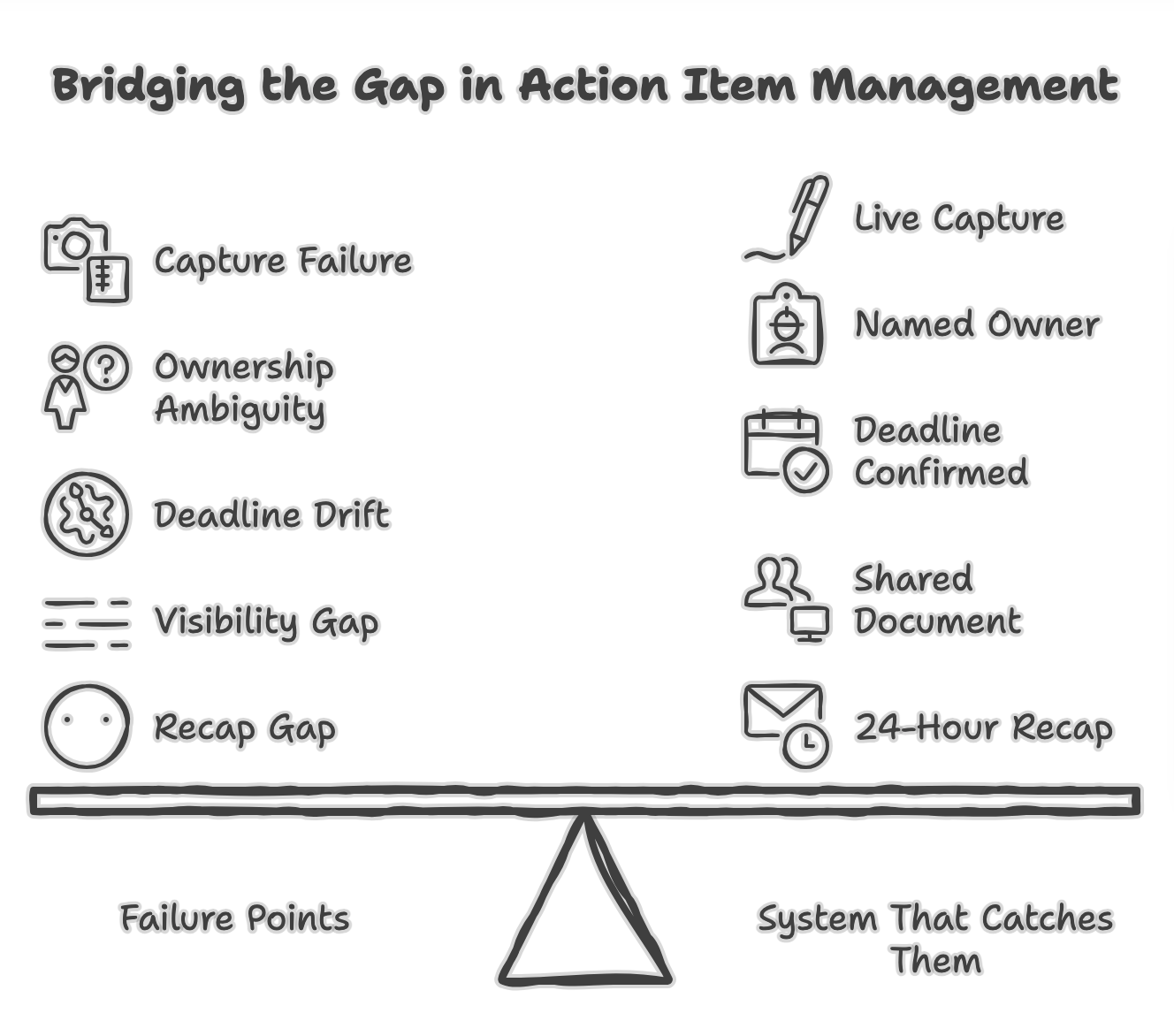
Set up health scores and alerts for the patterns that correlate with churn in your customer base. When an account drops below threshold, don’t email — call. Proactive outreach that catches a problem two months before renewal saves accounts that would otherwise be lost. The discipline that turns these signals into acted-on tasks rather than dropped balls is its own subject — see our guide on why action items slip between weekly check-ins and how to build a system that catches them.
6. Develop Real Consulting Expertise in Your Customer’s Domain
The CSMs who retain the most customers are the ones who bring more than product knowledge to the table. They understand their customer’s industry, their workflows, their competitive pressures. When a customer asks “how do other companies handle this?”, those CSMs have a real answer.
Invest time in reading about your customers’ industries. Build a library of best practices, reference architectures, and case studies. Over time, you become a consultant — not just a contact.
7. Build Scalable Education That Extends Your Reach
You can only attend so many meetings. Scalable education — webinars, certification programs, self-serve learning paths — multiplies your impact across the customer base while freeing your time for high-value conversations.
Start small. A monthly 30-minute webinar on a relevant topic. A short certification for power users. These artefacts live on and reduce the volume of repeat questions hitting your inbox.
8. Make Communication Feel Personal, Not Templated
Every customer can tell when they’re getting a template. The CSMs who build the deepest relationships send short, specific, human messages — “I saw your team just hit 500 tickets processed this month, that’s a strong run” beats any newsletter.
Celebrate milestones. Acknowledge wins. Check in when something meaningful happens in their world. These small acts build relationships that survive bad quarters and price increases.
9. Turn Happy Customers into Advocates
Customers who advocate publicly for your product are the hardest to lose. The act of writing a case study, recording a video, or speaking at an event anchors their commitment. Actively identify advocates in your book, and build programs that make it easy for them to contribute.
User groups, peer connections, advisory boards — these all create social capital around your product that competitors can’t replicate with better features alone.
10. Keep Investing in Your Own Craft
Customer Success is a discipline that rewards continuous learning. The tactics that worked two years ago are being replaced by AI-assisted workflows, new pricing models, and changing buyer expectations. The CSMs who thrive are the ones who treat their own development with the same rigour they apply to customers.
Read widely. Attend CS-specific events. Build a peer network outside your company. Take a course every year. The compounding return on this investment is enormous over a career.
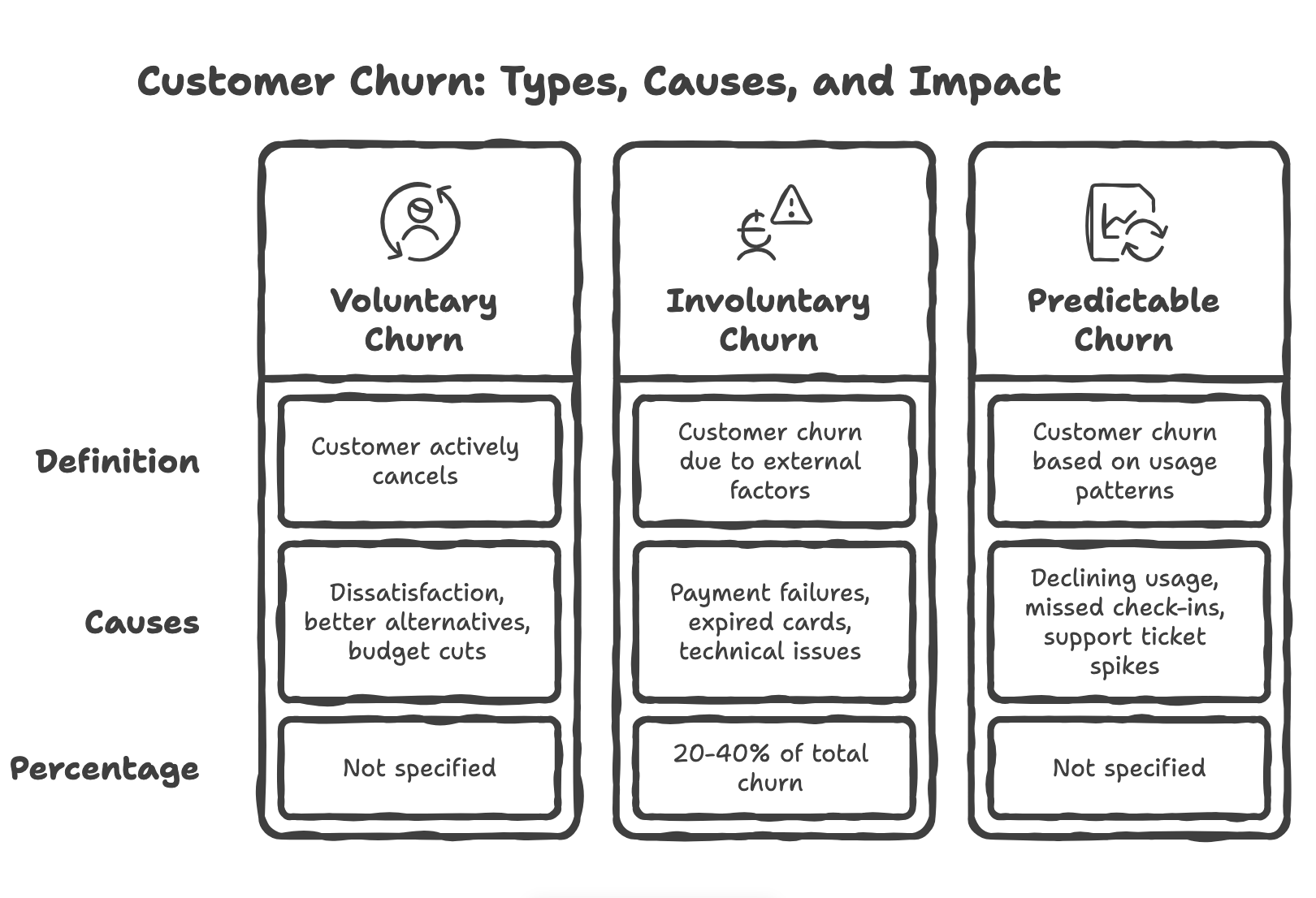
To go deeper on the foundations these practices rest on — what customer churn actually is, the four types worth tracking separately, and the formulas that calculate each one correctly — see our companion guide on customer churn, types, and calculation. For a fuller look at the metrics that underpin these strategies, see our guide to customer success metrics. For the strategic framework that ties them together, see our complete guide to customer retention strategies.
The Bottom Line
Client retention isn’t about any single heroic move — it’s about running ten disciplined practices consistently across every account. The CSMs who do this for years become irreplaceable, both to their customers and to their companies. Pick one strategy on this list that you’re currently weakest at, and focus on it for the next quarter. Then move to the next. That’s how careers, and retention numbers, are built.


Leave a Reply